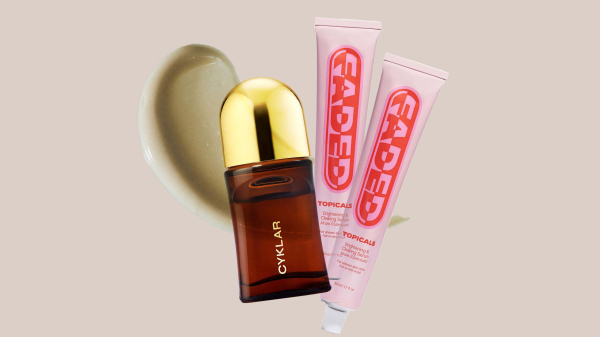
 Collage: Jemeria Davison; Source images: Courtesy of brandsSave this storySave this story
If dark underarms make you feel self-conscious or as though you can’t go sleeveless, good news: The best armpit brightening creams and treatments can help. This extremely common (and normal!) issue can occur from shaving, ingrown hairs, and product buildup—or regular old friction in your armpit area, which can be hard to avoid. On top of that, post-inflammatory hyperpigmentation after a bout of irritation can also make your pits appear darker.
Luckily, there’s a wide range of dermatologist-approved ingredients that fade discoloration, soothe irritation, and smooth uneven texture, all while being gentle enough for the underarm area. Niacinamide, vitamin C, and alpha arbutin improve overall brightness, while tranexamic acid, azelaic acid, and kojic acid can help fade or reduce pigmentation, says Debra Luftman, MD, a board-certified dermatologist based in Los Angeles, California. Mild chemical exfoliants like lactic acid, glycolic acid, and mandelic acid also help by removing dead, pigment-packed skin cells. But proceed with caution: “Because the underarm skin is delicate, the best products use ingredients that brighten gradually while minimizing irritation,” Dr. Luftman explains. Translation: Slow and steady wins this race.
Our Top Armpit Brightening Creams
- Best Overall: Topicals Faded Brightening & Clearing Serum, $38
- Best for Sensitive Skin: Paula’s Choice 5% Niacinamide Body Serum, $37
- Best Budget: The Ordinary Azelaic Acid Suspension 10%, $12
- Best Deodorant: Cyklar Mandelic Acid Deodorant, $20
You should see some improvements after eight to 12 weeks of daily use—nothing beats consistency. And if your skin is especially sensitive, you can start by using your brightener of choice every other day, then increasing to applying it every day. Thanks to these products’ lightweight, hydrating formulas that don’t sting or pill under deodorant, they’ll slot seamlessly into your body-care routine. Ready to lighten up? Below, you’ll find expert- and editor-approved favorites that deliver major brightening results.
Frequently Asked QuestionsLargeChevron
- What causes underarm discoloration?
- How can you minimize underarm discoloration?
- Is it possible to permanently brighten your underarms?
- How do dermatologists treat dark underarms?
- Meet the experts
- How we test and review products
- Our staff and testers
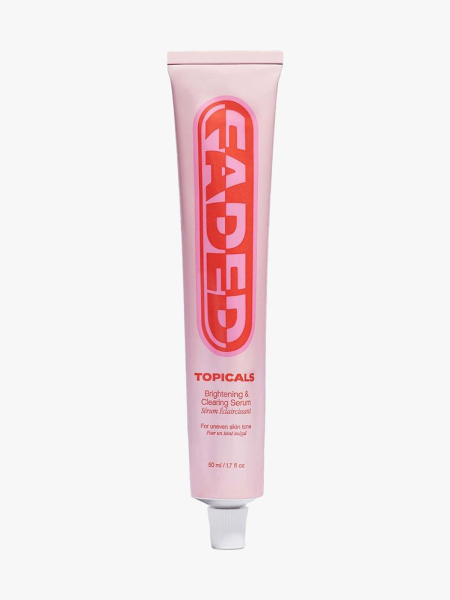
Best Overall: Topicals Faded Brightening & Clearing Serum
 Save to wishlist
Topicals
Faded Brightening & Clearing Serum
Amazon
Sephora
Why we love it: Topicals Faded Brightening & Clearing Serum is a gentle, yet highly effective treatment for fading stubborn underarm discoloration, whether from acne, ingrown hairs, or hyperpigmentation. “This creamy, gel-serum contains a combination of tranexamic acid, niacinamide, kojic acid, alpha arbutin, and azelaic acid, which in tandem visibly fade excess pigmentation while also calming inflammation in the area,” says Sarah Sung, MD, a board-certified dermatologist in Seattle, WA. Together, these ingredients help interrupt melanin production and reduce pigment transfer in the skin to even out tone—even for those with deeper skin tones—without irritating sensitive areas. “Many of my patients appreciate that they can apply it at night or in the morning without any stickiness,” Dr. Sung says. “Over time, they notice not only brighter underarms but also fewer ingrown-related bumps from waxing or shaving thanks to the serum’s anti-inflammatory benefits.”
More to know
LargeChevron
- Key ingredients: tranexamic acid, niacinamide, azelaic acid
- Fragrance-free: yes
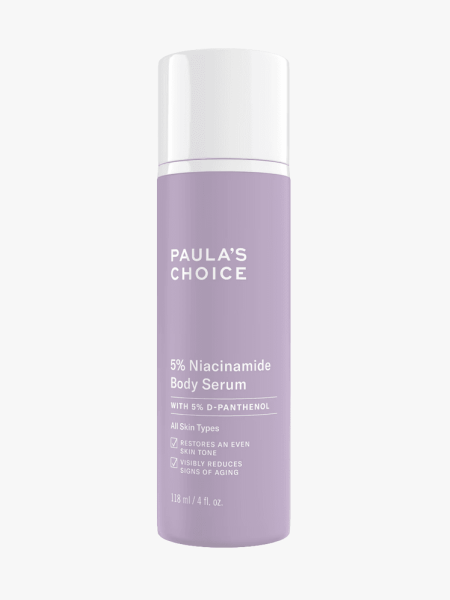
Best for Sensitive Skin: Paula’s Choice 5% Niacinamide Body Serum
 Save to wishlist
Paula's Choice
5% Niacinamide Body Serum
Amazon
Dermstore
Why we love it: If you’ve been searching for a low-effort, high-reward way to fade underarm discoloration, try Paula’s Choice 5% Niacinamide Body Serum. “The 5% niacinamide concentration in this serum is ideal for daily use: It’s powerful enough to effectively even out skin tone and fade discoloration, yet gentle enough for all skin tones,” says Dr. Sung. Because niacinamide is both a pigment inhibitor and an anti-inflammatory, it not only helps reduce hyperpigmentation but also soothes redness or irritation from shaving. Dr. Sung also points to the addition of panthenol and prickly pear extract, which help boost hydration and reinforce the skin barrier, crucial for minimizing friction-related irritation and preventing further darkening. The brand’s 10% Azelaic Acid Booster is another great option, according to Dr. Luftman—it’s especially useful if you’re concerned about inflammation or post-inflammatory hyperpigmentation.
More to know
LargeChevron
- Key ingredients: niacinamide, panthenol, squalene
- Fragrance-free: yes
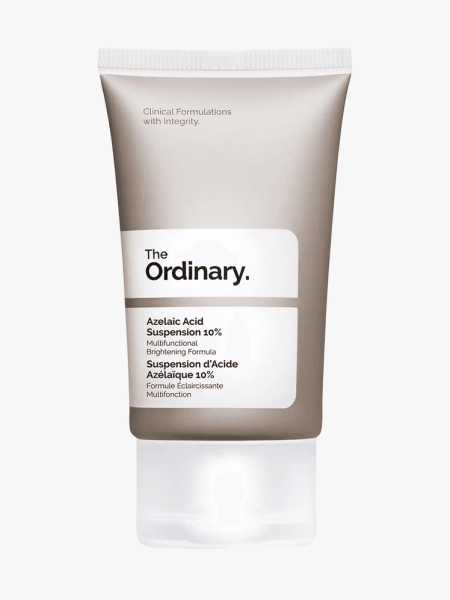
Best Budget: The Ordinary Azelaic Acid Suspension 10%
 Save to wishlist
The Ordinary
Azelaic Acid Suspension 10%
Amazon
Ulta Beauty
Sephora
Why we love it: For less than $15, The Ordinary’s Azelaic Acid Suspension 10% delivers an inflammation-soothing formula. Its headline ingredient, azelaic acid, targets irritation, post-inflammatory hyperpigmentation, and redness, Dr. Luftman says. As a gentle exfoliant, it can also help even out your skin’s texture and brighten its overall appearance. Folks with dry skin will appreciate its creamy (but not greasy) consistency—it provides lightweight hydration and quickly sinks into the skin. It’s actually so gentle that it’s accepted by the National Rosacea Society, which only approves of products that the most reactive skin can tolerate. And, if you try it and you love it, you’re in luck: It also comes in a value size.
More to know
LargeChevron
- Key ingredients: azelaic acid, vitamin E
- Fragrance-free: yes
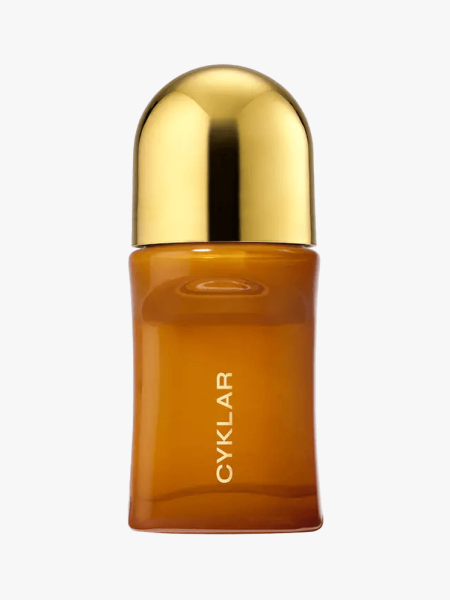
Best Deodorant: Cyklar Mandelic Acid Deodorant
 Save to wishlist
Cyklar
Mandelic Acid Deodorant
Amazon
Sephora
Why we love it: Brighter skin and less B.O. in one swipe? That’s the promise of Cyklar’s Mandelic Acid Deodorant. It uses mandelic acid to gently exfoliate your pits’ sensitive skin, helping it look brighter and feel smoother, while fighting odor-causing bacteria for up to 48 hours (by lowering the pH of your skin’s surface to the point that bacteria can’t grow). Meanwhile, licorice root extract safely lightens skin while reducing inflammation. This roll-on deodorant also contains hydrating ingredients like panthenol and zinc PCA, which nourish your skin and decrease your risk of dry patches or cracked skin. The luxe packaging and even more luxurious scents—bergamot, neroli, santal, and vanilla—are just lovely bonuses.
More to know
LargeChevron
- Key ingredients: mandelic acid, azelaic acid, panthenol, zinc PCA
- Fragrance-free: no
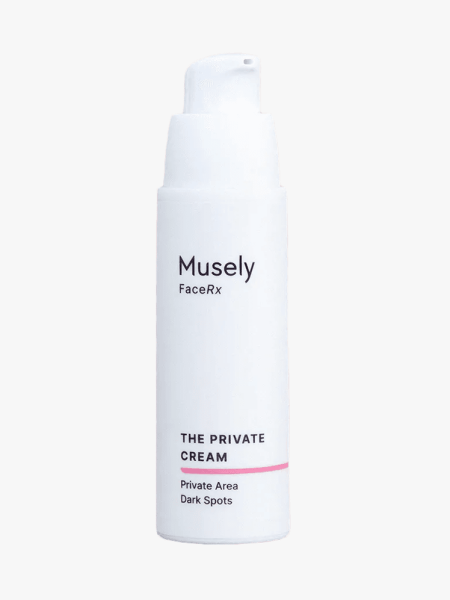
Best Prescription: Musely The Private Cream
 Save to wishlist
Musely
The Private Cream
Musely
Why we love it: For especially stubborn pigmentation, consider Musely’s prescription-strength Private Cream. In addition to other pigment-suppressing ingredients, it may contain up to 12% hydroquinone (a skin lightener that decreases the production of melanin) and 0.05% tretinoin (which accelerates skin cell turnover). The exact concentrations will depend on the prescription you receive. (Musely determines whether the product is necessary and your dosage with a medical history questionnaire.) These two ingredients are so potent that they’re usually available only by prescription for pigmentation, Dr. Luftman says, nodding to their potency. Hydroquinone especially should be used with caution, as Allure previously reported. It can irritate sensitive or dry skin; cause staining or skin reactions if mixed with peroxides or alpha hydroxy acids; and Louisiana-based board-certified dermatologist Mamina Turegano previously told Allure that it can also cause exogenous ochronosis, or paradoxical darkening of the skin (she added that those with darker skin tones are at an increased risk of this). That’s why, while Musely makes it easy to get Rx-strength treatment right at home, you should still work directly with a dermatologist to ensure you’re using it correctly and safely.
More to know
LargeChevron
- Key ingredients: hydroquinone, tranexamic acid, niacinamide, tretinoin (the exact combination and concentration of each will depend on your prescription)
- Fragrance-free: yes
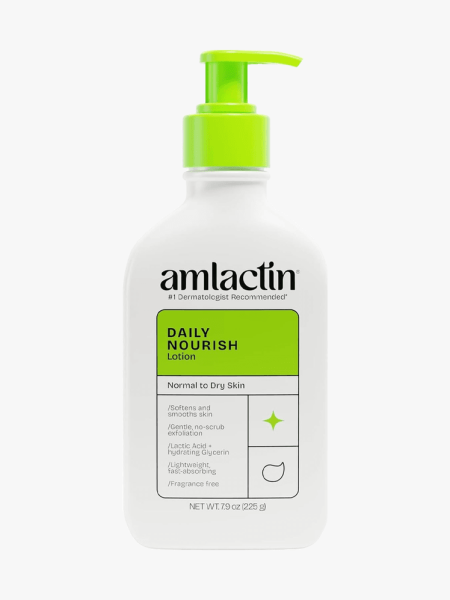
Best Drugstore: AmLactin Daily Nourish Body Lotion with 12% Lactic Acid
 Save to wishlist
AmLactin
Daily Nourish Body Lotion with 12% Lactic Acid
Amazon
Ulta Beauty
Why we love it: AmLactin’s Daily Nourish Body Lotion is a 2024 Allure Best of Beauty Award winner—as well as a dermatologist's favorite for treating everything from bumpy arms to dark underarms. “This is my go-to recommendation to help lessen the appearance of underarm hyperpigmentation,” says Nazanin Saedi, MD, a board-certified dermatologist at Plymouth Meeting Dermatology, based in East Norriton, PA. “It’s formulated with lactic acid, both a hydrator and a gentle exfoliant, that works well to remove dead, darker skin cells and fade hyperpigmentation on sensitive underarm skin.” The 12% lactic acid concentration is potent, but the addition of glycerin helps offset irritation by keeping skin moisturized. Dr. Saedi recommends applying it nightly to damp skin right after showering and before deodorant. “Patience and consistency are important. It typically takes a couple of months to see results,” she adds.
More to know
LargeChevron
- Key ingredients: lactic acid, glycerin
- Fragrance-free: yes
Frequently Asked Questions
What causes underarm discoloration?
There are a multitude of factors that lead to underarm discoloration, but the most common cause is skin friction, according to the board-certified dermatologists we talked to. “Constant friction between the skin or with tight clothing can cause hyperpigmentation due to the irritation it causes,” says Mina Amin, MD, a board-certified dermatologist based in Los Angeles. “This condition, called post-inflammatory hyperpigmentation (PIH), is a result of an increase in melanin production as the skin responds to inflammation.”
Another cause can actually be your current underarm care routine. According to Dr. Camp, the deodorant or antiperspirant you’re currently using can lead to irritation or an allergic rash. “A reaction to a deodorant or antiperspirant can cause contact dermatitis, which can result in discoloration,” he says. Another discoloration-inducing tool in your pit regimen is your razor. “Irritation as a result of shaving can cause inflammation in the underarms, which leads to hyperpigmentation as it heals,” says Dr. Camp.
There are also medical conditions, like acanthosis nigricans, which can lead to underarm hyperpigmentation. “This condition can result in dark and thickened skin, typically in body folds such as the armpits, neck, and groin,” says Dr. Amin. “Acanthosis nigricans is often associated with insulin resistance, obesity, and type 2 diabetes. High insulin levels trigger skin cells to reproduce more rapidly, leading to dark thickened plaques.”
How can you minimize underarm discoloration?
Good news: There are quite a few over-the-counter avenues you can take to improve your pits’ skin tone. “Several skin-care ingredients can help reduce underarm hyperpigmentation by lightening dark patches and promoting even skin tone,” says Dr. Amin. The best armpit brightening cream will contain retinol or exfoliating acids, such as glycolic, salicylic, and lactic acids, for their brightening properties.
“Regular exfoliation combined with brightening agents can help improve the appearance of underarm hyperpigmentation over time,” she says. However, when using active ingredients like exfoliating acids and retinol, Dr. Amin says it’s important to introduce them gradually and, if you’re exposing skin during daylight hours, always follow up with sunscreen, as they can increase photosensitivity.
Is it possible to permanently brighten your underarms?
In short, no. But, depending on the root cause of your darkened underarms, you can make changes that keep your skin looking brighter in the long term. Namely, if friction or shaving make your pits’ pigmentation worse, you can use products that prevent chafing or shave less frequently (or even opt for laser hair removal instead). “While discoloration can often be improved substantially, maintenance treatment is usually required,” Dr. Luftman says. “If the underlying cause continues, pigmentation often returns over time.” So, in most cases, you’ll need to continue using brightening products in order to sustain your results.
How do dermatologists treat dark underarms?
In-office treatments for dark underarms (and not one of the medical conditions we mentioned above) include prescription-strength topicals—which usually contain hydroquinone or retinoids—as well as chemical peels, and laser or pulse light sessions, says Dr. Luftman. Ultimately, your derm will need to diagnose the underlying cause of your pigmentation before determining which treatment is best for you. “Because the underarm skin is thin and sensitive, professional evaluation helps minimize the risk of irritation or worsening pigmentation,” Dr. Luftman explains.
Meet the experts
- Mina Amin, MD, a board-certified dermatologist based in Los Angeles
- Debra Luftman, MD, a board-certified dermatologist based in Beverly Hills and Calabasas, California
- Nazanin Saedi, MD, a board-certified dermatologist based in East Norriton, PA
- Sarah Sung, MD, a board-certified dermatologist based in Seattle
How we test and review products
When Allure tests a product, our editors look at it from every angle in an effort to best serve you. We review ingredients, scrutinize brand claims, and, when necessary, examine peer-reviewed scientific and medical studies. In addition to testing each and every product that’s included in each and every review, we rely on experts who shape their fields, including dermatology, cosmetic chemistry, and medicine, to help us vet the ingredients and formulas.
For our list of the best armpit brightening creams, we considered each product’s performance across five primary categories: product ingredients and efficacy, packaging, fragrance, texture, and product wear. Every product was determined to have excelled in each category by our editorial team, which is composed of in-house writers and editors as well as contributors—along with special consideration from board-certified dermatologists. To learn more information on our reporting and testing processes, read our complete reviews process and methodology page.
Our staff and testers
A beauty product is a personal purchase. You might be searching for a face cream to address persistent dryness or a new nail product to add to your Sunday self-care routine; you may simply be browsing around for the latest launches to hit the hair market. No matter what you seek or your individual needs and concerns, Allure wants to ensure that you love anything we recommend in our stories. We believe that having a diverse team of writers and editors—in addition to the wide range of outside testers and industry experts we regularly call upon—is essential to reaching that goal.
After all, can we really say a skin-care product is the “best” for people over 50 if the only testers we’ve solicited opinions from folks who have yet to hit 30? Can we honestly deem a high-end diffuser worthy of your hard-earned cash if it’s never been tested on curls? We’re proud that our staff spans a wide range of ages, skin tones, hair textures, genders, and backgrounds, which means that we are able to fairly assess any beauty product that comes into the beauty closet.